A house in East Sandwich costs more to build or buy per square foot this year than almost anywhere else in town. It also takes roughly twice as long to sell as the average Sandwich listing. Those two facts sit next to each other on the same set of August 2026 numbers, and they contradict what most buyers assume a higher price tag means.
The instinct is to read price and speed as moving together. A hotter corner of a hot market should command a premium and sell in a hurry. Sandwich breaks that pattern along an internal line most portal searches never show you: the line between the historic Village core and the neighborhoods that share the town's name but carry a different zip code, a different lot size, and a different buyer.
Same Town, Different Zip Codes
Sandwich Village, clustered around the Cape Cod Canal and the Sandwich Marina, sits in zip code 02563. East Sandwich, a few miles up Route 6A toward the Sagamore Bridge, is its own zip code, 02537. Search either one on a listing site and you get two different markets wearing the same town name.
As of August 2026, Sandwich listings town-wide carried a median asking price of $799,000, a median of $400 per square foot, and a median 36 days on the market, a figure that had dropped sharply, by 55 percent, from where it sat a year earlier. East Sandwich listings in that same month carried a median asking price of $1.09 million, a median of $552 per square foot, and a median 74 days on the market, essentially unchanged from August 2025.
Put plainly: the town as a whole sped up over the past year. East Sandwich did not, even while its price per square foot climbed well past the town median.
What $552 a Square Foot Buys in East Sandwich
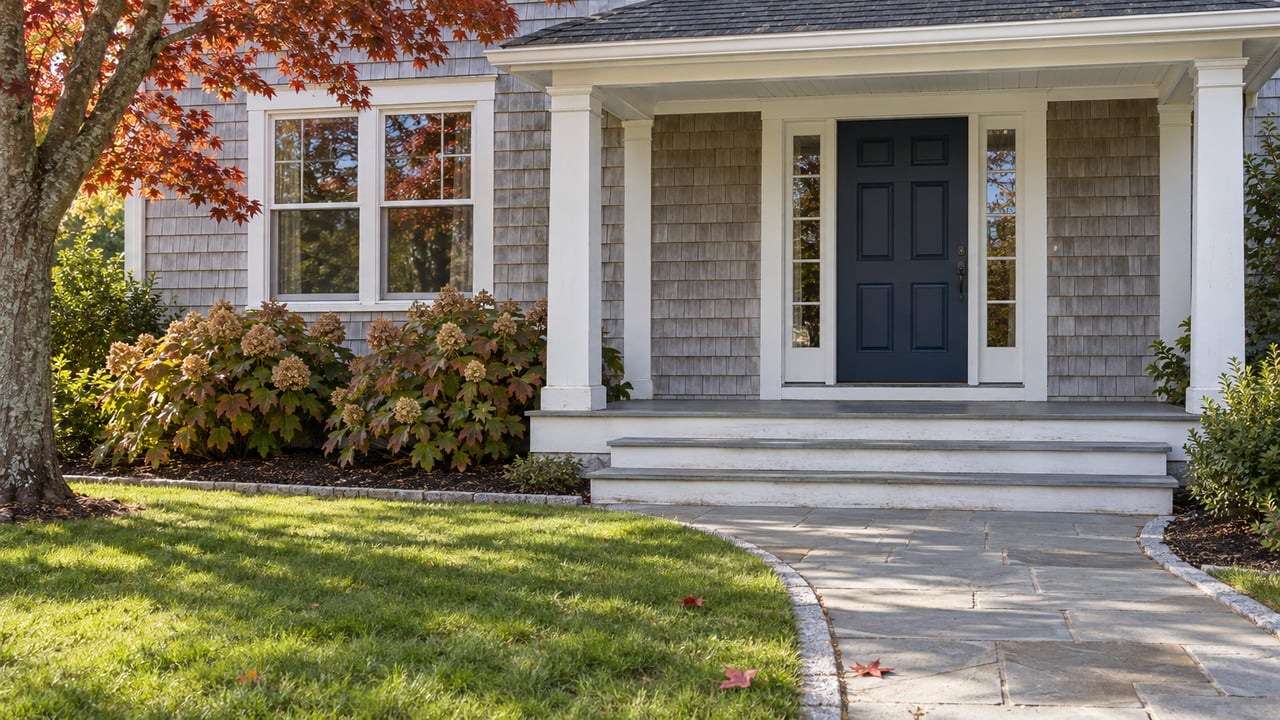
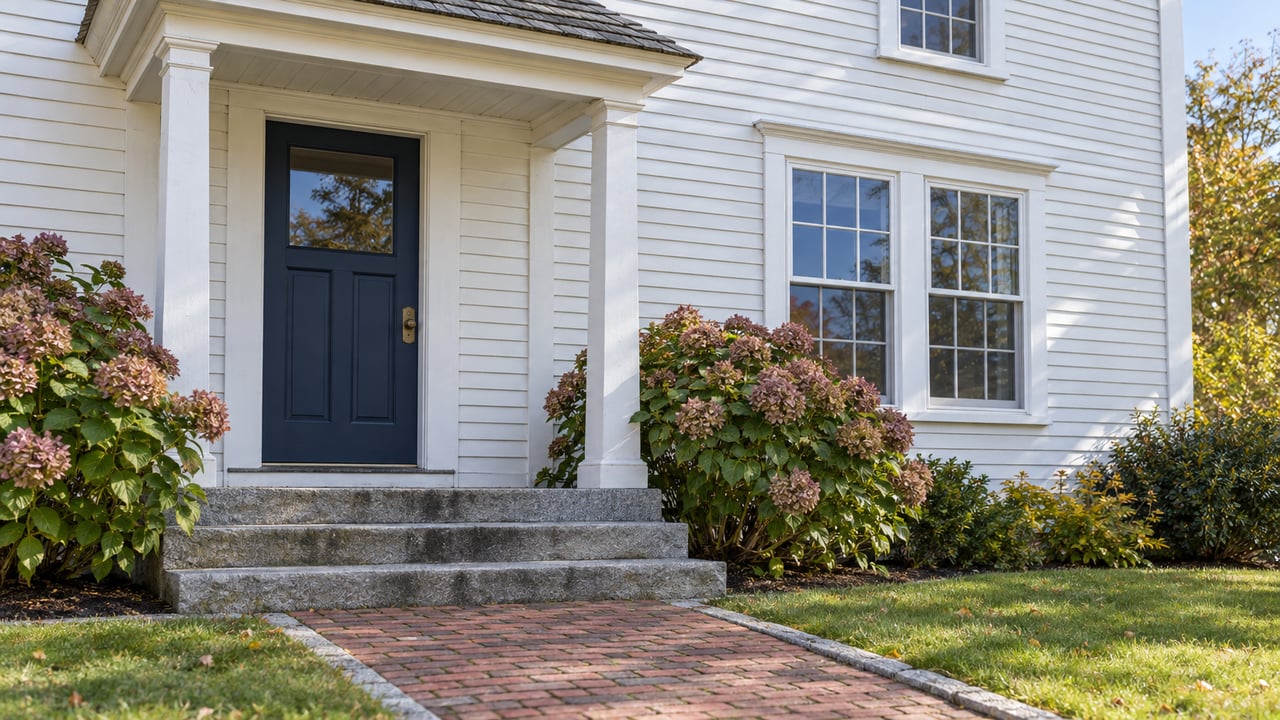
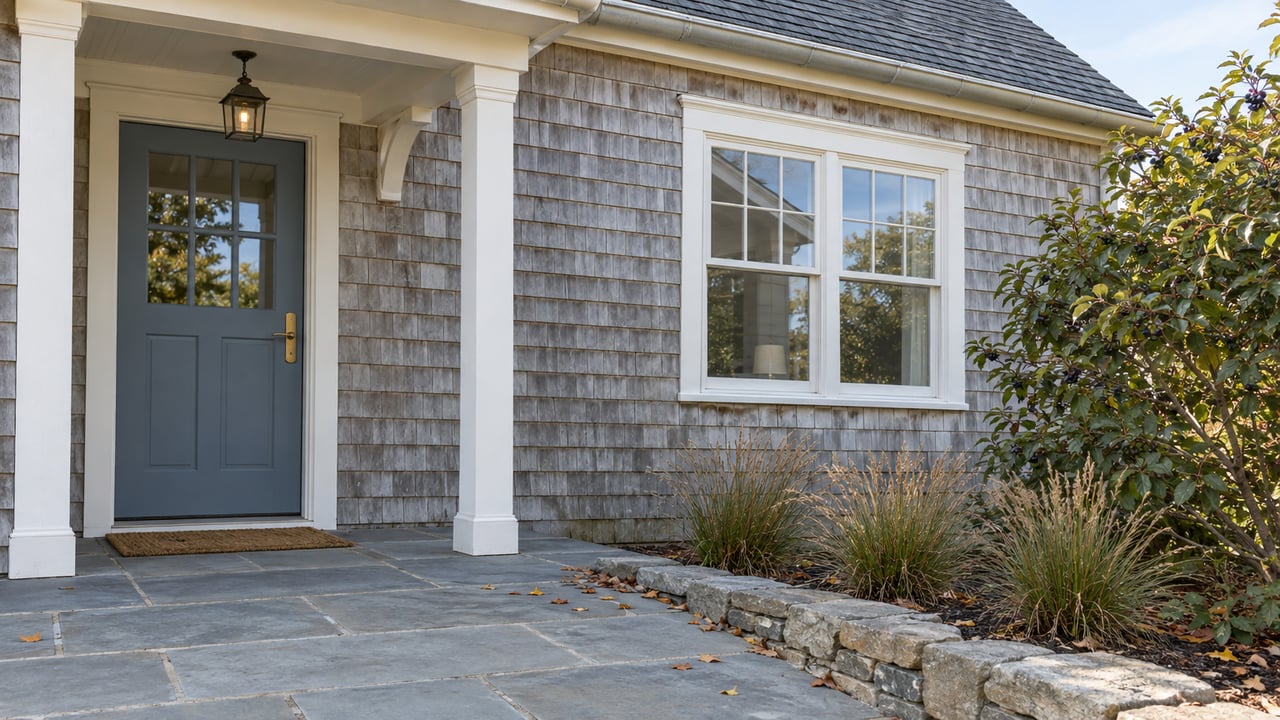
The premium is not arbitrary. East Sandwich's housing stock leans toward larger parcels and estate-style construction, the kind of inventory that shows up in neighborhoods like Norse Pines or in small collections such as the Rockhill homes near the historic downtown, where four-and five-bedroom shingle-style houses sit on multi-acre lots rather than village-scale ones. Some properties back up to Scorton Creek marsh, others sit close to the north side beaches along Cape Cod Bay, and a fair number are older beach cottages that have been renovated rather than replaced.
That combination, more land, more square footage, more custom or renovated finishes, pushes the per-square-foot number up. It also narrows the pool of buyers who are shopping for that specific combination of acreage, marsh or bay proximity, and price point. A smaller buyer pool does not sell a house faster. It sells a house when the right buyer shows up, which can take longer regardless of how the listing is priced.
Why the Village Moves Faster
Sandwich Village works differently. It is walkable, dense by Cape standards, and anchored by landmarks that draw a steady stream of visitors and prospective buyers who already know the town before they ever call an agent: the Sandwich Glass Museum, Heritage Museums & Gardens, Hoxie House, recognized as the oldest house on Cape Cod, the Dexter Grist Mill, and the Daniel Webster Inn all sit within a short walk or drive of each other near the marina.
Smaller lots and closer comparables make Village listings easier to price and easier for buyers to evaluate against each other. A three or four bedroom home a few blocks from the Canal has more recent, similar sales to be measured against than a five-bedroom estate on two acres near Norse Pines. That density of comparable sales is part of why the Village and Canal corridor can absorb inventory faster even when the town-wide market as a whole is not particularly frenzied.
The Liquidity Problem Hiding Inside the Median
East Sandwich's numbers move the way they do partly because so few homes trade there in any given month. Trailing data from late 2025 showed East Sandwich closing on a median sale price of $710,000 in October, down 27 percent from the year before, while the average sale price for that same month climbed 28.8 percent. Only three homes sold in East Sandwich that October, the same count as the October before it.
A market that thin does not need a shift in buyer demand to produce a wild swing in its headline number. It only needs one $2 million estate sale and one modest cottage sale to land in the same month. That volatility is a symptom of a market with few transactions, not a signal of direction. It is also part of why days on market in East Sandwich stay elevated even in a town that is otherwise accelerating: fewer sales means fewer data points proving a listing is priced correctly, and fewer data points means both buyers and sellers negotiate more cautiously.
What This Means If You're Comparing Sandwich to Other Towns
For a buyer treating "Sandwich" as a single line item next to Osterville, Barnstable, or Centerville, the town-wide median understates what a larger, water-adjacent property will actually cost and understates how long it might take to find one that fits. A buyer who wants the walkable, museum-and-marina version of Sandwich should expect a faster process and a more competitive sub-$800,000 range. A buyer who wants the marsh views, the acreage, and the Norse Pines-style lot should budget for a higher price per square foot and a longer runway, not because the market has cooled, but because that slice of the market has always moved on its own calendar.
For a seller in East Sandwich, the temptation is to read the town's overall 36-day median and expect the same pace. That expectation sets up frustration when a well-priced estate-style listing takes into its third month. The better comparison is the East Sandwich figure itself, not the town blend. Sellers with older homes on larger East Sandwich lots should also factor in septic system age and capacity early, since Title 5 requirements can apply differently depending on the specific address and watershed, and a system that needs upgrading can add real weeks to a closing timeline regardless of how the home is priced.
Buyers weighing East Sandwich against the Village, or weighing Sandwich as a whole against a second-home purchase elsewhere on the Cape, may also find it useful to look at how Sandwich compares as a second-home versus year-round option, since the answer often depends on which of these two sub-markets a buyer is actually picturing.
Frequently Asked Questions
Does a higher price per square foot in East Sandwich mean it's a hotter market than the Village? Not by itself. East Sandwich's per-square-foot premium reflects larger lots and estate-style inventory, not faster turnover. Its median 74 days on the market as of August 2026 was roughly double the town-wide figure of 36 days, so a higher price and a slower sale are happening in the same neighborhood at the same time.
Should a seller price relative to the town-wide median or their own zip code? The zip code. A Sandwich Village seller comparing their home to the $799,000 town-wide median is looking at a reasonable proxy for their own sub-market. An East Sandwich seller using that same $799,000 figure is comparing their estate-style property to a blended number that includes a very different kind of housing stock, which can lead to mispricing in either direction.
If you are trying to figure out which side of Sandwich actually fits what you are looking for, or you own a home in East Sandwich and want a read on its value that accounts for how thin that market really is, Colleen and Sabrina Riley can walk through the comparables street by street rather than zip code by zip code.
This article is general information, not legal, tax or financial advice. Consult a qualified professional about your situation.