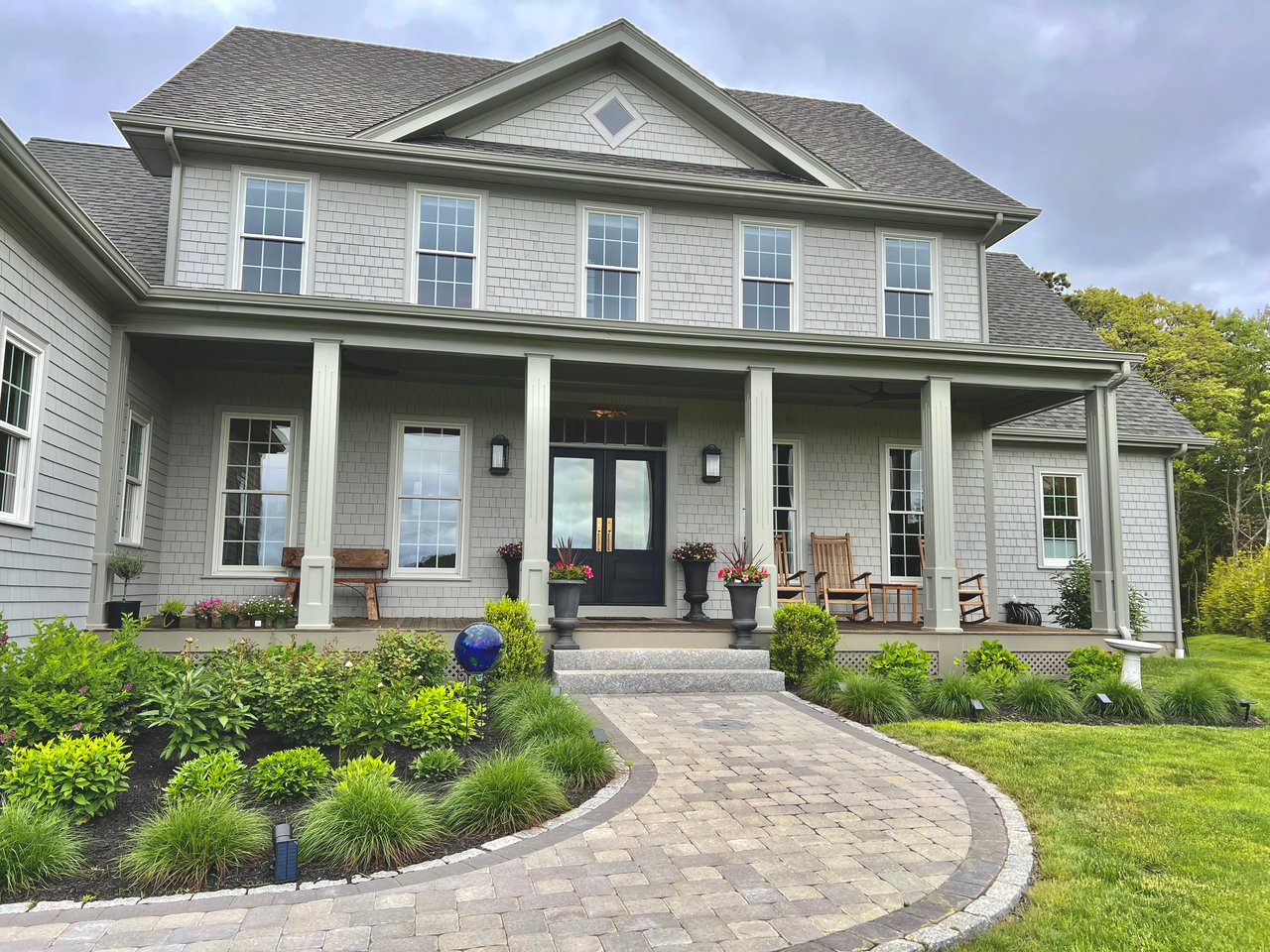
If you are weighing Sandwich for a Cape Cod getaway or a full-time move, the real question is not whether the town is appealing. It is whether it fits the way you want to live. Some buyers want a seasonal retreat with beach access and classic Cape character, while others need a town that works well in January as much as it does in July. This guide will help you compare both paths so you can decide with more confidence. Let’s dive in.
Sandwich offers a different Cape pace
Sandwich has a strong coastal identity, but it is less seasonal than many people expect. According to the Cape Cod Commission, Sandwich is the least seasonal town on Cape Cod, with about 13% of housing units used seasonally. That gives it a different feel from towns where the population shifts much more dramatically between summer and winter.
For you as a buyer, that matters. A second-home owner may enjoy the clear summer energy without feeling like the town goes completely quiet in the off-season. A year-round resident may appreciate that Sandwich functions more like an active town than a purely vacation-focused destination.
Why Sandwich works as a second home
If your goal is a second home, Sandwich has a lot going for it. You get access to both ocean and freshwater recreation, along with a coastal setting that still feels grounded and established.
The town lists several beach and water access points, including Town Neck, Sandwich Boardwalk and Mill Creek, East Sandwich Beach, First Beach, Snake Pond, Wakeby Lake at Ryder Conservation, and Peters Pond. That mix gives second-home buyers a variety of ways to enjoy time on the Cape, whether your ideal day is on the beach, by a pond, or walking near the water.
There is also a distinct seasonal rhythm that many second-home buyers are looking for. The town notes that some beach staffing and facilities open later in the summer season, and certain features like beach mats are generally seasonal from Memorial Day to Labor Day. That schedule reinforces the feeling of arriving for the Cape season.
Seasonal life has real appeal
For many buyers, a second home is not just about the house. It is about how the town feels when you are there. Sandwich offers a summer pattern that is lively enough to feel special, while still being less heavily seasonal than some other Cape communities.
That can make ownership feel more balanced. You may enjoy busy summer days and then return in the shoulder seasons to a quieter setting that still has a year-round residential base.
Part-time ownership comes with rules
If you are planning to rent the property at all, local rules matter. The town says short-term rental owners must register their short-term rentals, with that requirement effective January 1, 2025.
That is an important detail if you are thinking about occasional income to offset ownership costs. It is also worth knowing that Sandwich zoning defines seasonal use from April 1 through October 31, and a seasonal dwelling is defined as a non-owner-occupied dwelling that may not be occupied between October 31 and April 1.
Why Sandwich works for year-round living
If you are considering a full-time move, Sandwich offers more everyday infrastructure than many people assume. The town supports year-round households with civic services and a stable residential base.
Census QuickFacts estimates Sandwich had 20,575 residents in 2025. It also reports an owner-occupied housing rate of 89.2%, with 92.9% of residents living in the same house one year earlier. Those numbers suggest a relatively settled community rather than a place dominated by constant turnover.
For year-round buyers, that can be reassuring. A stable ownership base often supports a more consistent day-to-day town experience.
Daily life is supported by civic services
Sandwich has the kinds of services that matter when the home is not just a getaway. The town lists Sandwich Public Schools, the Sandwich Public Library, and the Sandwich Center for Active Living as part of its community infrastructure.
The library offers public computers, Wi-Fi hotspot lending, museum passes, and programming through the Old Colony Library Network. The Center for Active Living has regular weekly hours, and the Councils on Aging resource page notes transportation help for essential medical and personal care appointments, along with grocery and referral support.
That does not mean every buyer will use every service. It does mean Sandwich operates like a real year-round town with resources that support everyday living.
Commute and travel are a major deciding factor
For some buyers, this is the section that matters most. Sandwich can work very well for year-round living, but your travel habits should be part of the decision.
Census QuickFacts reports a mean travel time to work of 27.5 minutes for workers age 16 and over. The Cape Cod Regional Transit Authority also serves Sandwich through its fixed-route system, including the Sandwich Line, and offers services such as DART, SmartDART, and Boston Hospital Transportation.
That said, off-Cape travel is shaped by the Canal crossings. Traffic analysis in the Cape Cod Bridges Program environmental review found both directions of the Sagamore Bridge operating at level of service F during peak periods, meaning demand generally exceeds roadway capacity.
What that means for second-home buyers
If you are buying a second home, bridge congestion may be more of a timing issue than a lifestyle issue. It can affect when you arrive for the weekend, when guests come and go, and how much patience you need during the busiest parts of the season.
For many second-home owners, that tradeoff is manageable. You may simply plan travel more carefully around peak times.
What that means for year-round buyers
If you expect to commute off-Cape often, the bridge issue deserves close attention. Sandwich may be a better fit if you work locally, work hybrid, or have flexibility in your schedule.
If you need frequent peak-hour travel across the bridge, daily convenience may feel different from what a map suggests. This is one of those practical details that can shape whether a town feels easy or frustrating over time.
Housing in Sandwich is mostly single-family
Sandwich housing is largely made up of single-family homes. The Cape Cod Commission says 91.2% of residential properties are single-family, while the town’s housing production plan reports 92.4% of housing units are single-family detached homes.
That matters whether you are buying a second home or a primary residence. If you want a traditional homeownership experience with more detached homes in the mix, Sandwich aligns well with that preference.
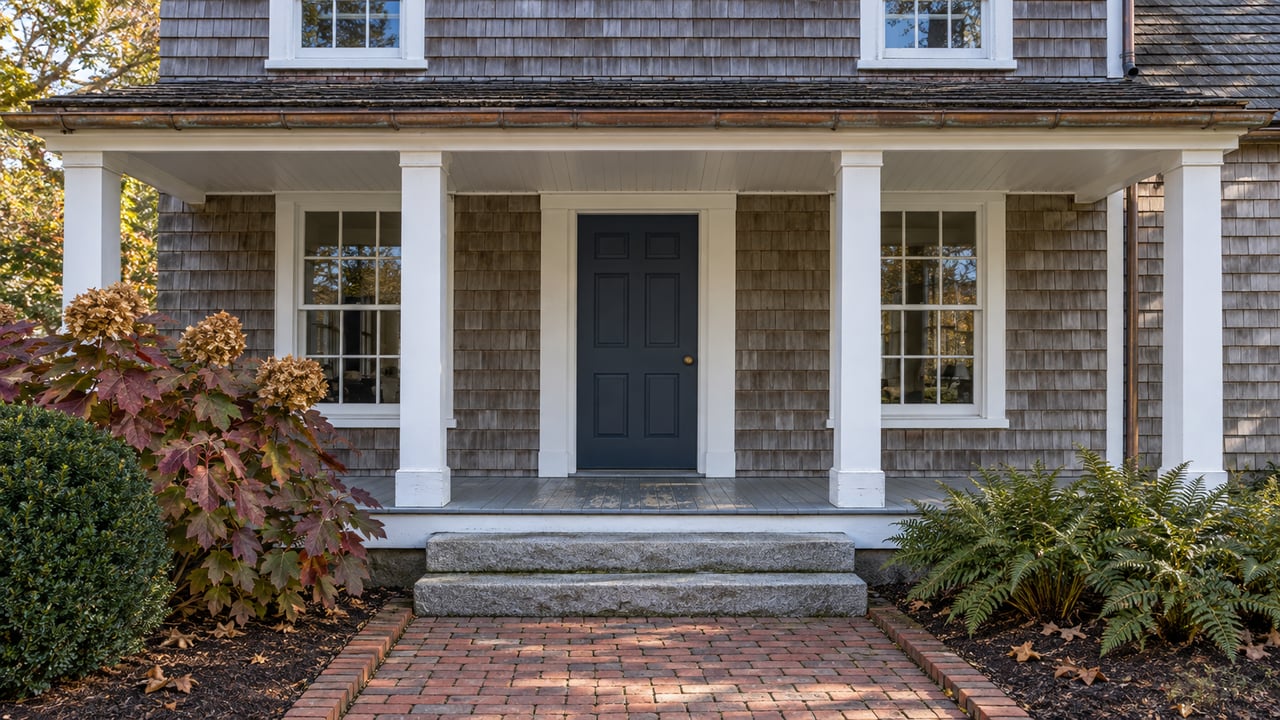
The housing stock is also somewhat older. The town says most housing was built between 1950 and 1999, with a little more than 11% built in the 2000s. For you, that can mean charm and established neighborhoods, but it can also mean more maintenance or renovation planning depending on the property.
Condition matters more than buyers think
Older housing stock does not automatically mean a home is a project. But it does mean buyers should look closely at condition, updates, and long-term upkeep.
This is especially important if you are buying a second home and do not want surprise maintenance from a distance. It is also important if you are buying year-round and want a home that fits your lifestyle without immediate major work.
Costs should be part of the comparison
Sandwich can fit both lifestyle goals, but the numbers need to make sense for you. Census QuickFacts reports a median owner-occupied home value of $601,400.
The same source lists median monthly owner costs at $2,615 with a mortgage and $1,069 without one. Median gross rent is reported at $1,751. On top of that, the town’s FY26 assessing page lists a tax rate of $10.19 per $1,000 of valuation, before any district-specific water rates.
For second-home buyers, carrying costs are especially important because the property may sit empty for part of the year. For year-round buyers, the question is often whether the total monthly cost lines up with your long-term budget and daily needs.
Historic rules may affect some properties
In certain areas, exterior changes may involve added review. The town’s Historic District Committee notes that exterior changes in the Old Kings Highway Historic District are reviewed for compatibility with the district’s historic character.
That is not necessarily a drawback. For some buyers, it is part of what helps preserve the look and feel of the area. But if you are planning renovations or visible exterior updates, it is smart to understand that process early.
So, is Sandwich right for you?
Sandwich can be an excellent choice for a second home if you want classic Cape appeal, access to beaches and ponds, and a town that still feels active beyond the height of summer. It works especially well if you are comfortable with seasonal beach operations, ownership costs, and planning around bridge traffic.
It can also be a strong choice for year-round living if you want a stable residential base, civic services, and a town that functions well outside the tourist season. The biggest question is how your daily life intersects with commuting, property condition, and how much seasonal variation you want.
If you are comparing homes in Sandwich, it helps to look beyond the listing photos and think honestly about how you will use the property month by month. If you want local, practical guidance on what fits your goals, connect with Colleen Riley for expert help navigating Cape Cod real estate.
FAQs
Is Sandwich, MA better for a second home or a primary home?
- Sandwich can work well for either, but it fits each lifestyle differently. It offers a seasonal coastal feel for second-home buyers and a stable year-round town structure for full-time residents.
Is Sandwich, MA a seasonal Cape Cod town?
- Sandwich has a clear summer season, but the Cape Cod Commission says it is the least seasonal town on Cape Cod, with about 13% of housing units used seasonally.
What is year-round living like in Sandwich, MA?
- Year-round living in Sandwich includes access to town services such as schools, the public library, the Center for Active Living, and other community resources that support everyday life.
Are there commuting challenges from Sandwich, MA?
- Yes. While local commute times may be manageable, travel off-Cape can be affected by heavy congestion at the Canal crossings, especially near the Sagamore Bridge during peak periods.
What types of homes are common in Sandwich, MA?
- Sandwich housing is mostly single-family. Local housing reports say more than 90% of residential properties or housing units are single-family homes.
Are there short-term rental rules in Sandwich, MA?
- Yes. The town says owners renting short-term stays in Sandwich must register their short-term rentals, with the registration requirement effective January 1, 2025.
Do some Sandwich, MA properties have historic district review?
- Yes. Exterior changes in the Old Kings Highway Historic District are reviewed for compatibility with the district’s historic character.