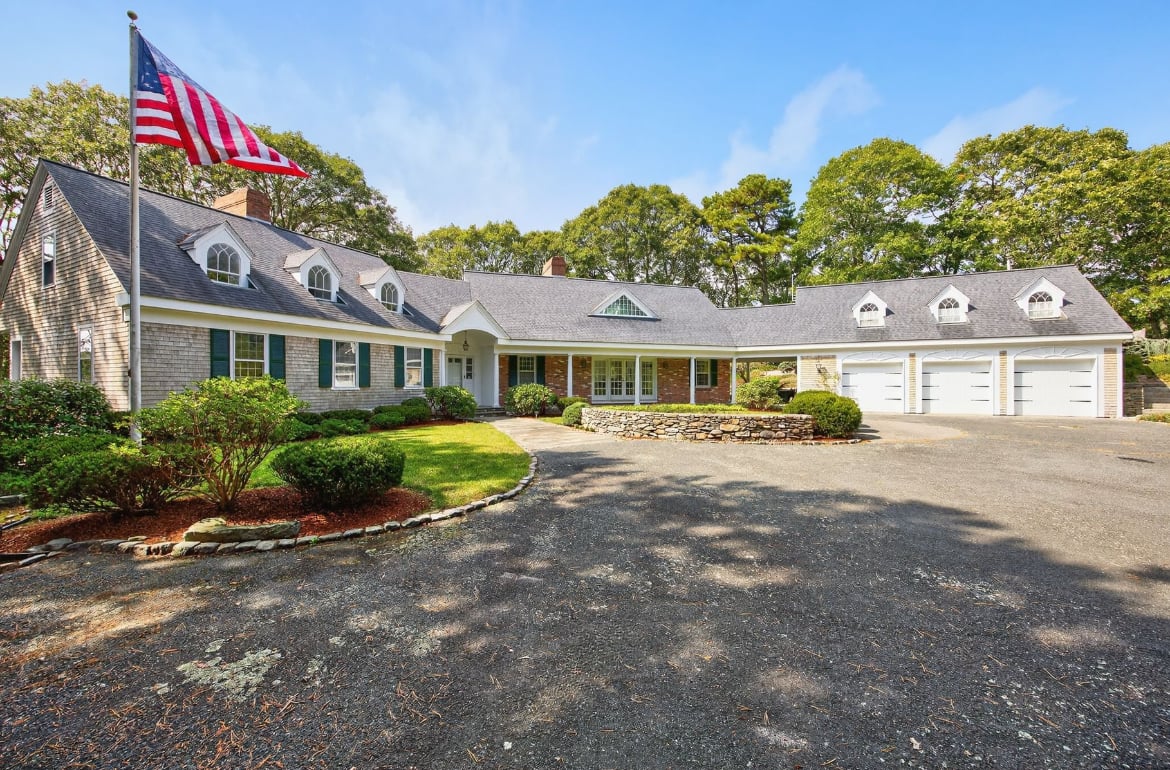
Wondering how to price your Barnstable home without leaving money on the table or watching it sit too long? You are not alone. In a market where conditions can shift from Hyannis to Osterville to Barnstable Village, smart pricing is less about guesswork and more about local precision. This guide will show you how pricing works in Barnstable today, what buyers and appraisers are likely to notice, and how to choose a strategy that fits your home and your goals. Let’s dive in.
Barnstable pricing is hyperlocal
One of the biggest mistakes sellers can make is treating Barnstable like one single market. The Town of Barnstable includes seven villages: Hyannis, Centerville, Osterville, Cotuit, Marstons Mills, West Barnstable, and Barnstable Village. The town’s 2025 Housing Production Plan notes that each village has its own development history and character, which helps explain why pricing can vary so much from one area to another.
That village-by-village difference shows up clearly in market data. In May 2026, Barnstable’s overall median listing price was $849,000, with homes selling in a median of 31 days and closed sales averaging 2.44% below asking. At the county level, April 2026 data showed 993 active single-family listings, a median sale price of $830,000, and 76 cumulative days on market, while earlier reporting also pointed to rising inventory, longer selling times, and fewer homes selling over asking.
For sellers, the takeaway is simple: townwide averages are useful background, but they should not be your pricing plan. Buyers compare your home to the homes they see as direct alternatives, and in Barnstable that usually starts with your village, your price range, and your property type.
Why village comps matter most
Comparable sales, often called comps, are the backbone of a smart list price. Fannie Mae guidance says the best comparable sales are those that match the property’s site, room count, finished area, style, condition, and legal characteristics. It also says sales from the same neighborhood are the best indicator of value when available.
That matters in Barnstable because village conditions can shape buyer demand and value in ways that are not obvious in a broad average. A home in Barnstable Village may be viewed differently from a home in Marstons Mills or Hyannis, even if the square footage looks similar on paper. The nearest credible comps usually tell the clearest story.
Here are a few examples from current Barnstable-area data:
- Barnstable Village 02630 had a median listing price of $1.1 million in March 2026.
- Centerville showed a median listing price of $750,000, 60 homes for sale, 27 median days on market, and a 98% sale-to-list ratio in May 2026.
- Hyannis was listed around $579,000 on current market pages.
- Cotuit was listed around $1,614,500.
- Marstons Mills showed a neighborhood median listing price of $697,450.
Those numbers do not mean your home is worth the median for your village. They do show how wide the pricing spread can be inside one town. That is why a realistic pricing strategy starts with the closest competing sales and listings, not a headline number for Barnstable as a whole.
What a strong pricing analysis should include
A good pricing analysis goes beyond price per square foot. It should compare your home to nearby properties that buyers would see as true alternatives and then adjust for the details that shape value.
In Barnstable, that often includes:
- Village location
- Lot setting and proximity to water
- Condition and level of updates
- Style and finished living area
- Bedroom and bathroom count
- Septic or sewer status
- Flood zone or coastal exposure
- Overall competition in your price range
Barnstable’s physical setting makes these details especially important. The town says most residential and commercial areas still rely on on-site Title V septic systems, with municipal sewer service available only in a small area of Barnstable Village, portions of Hyannis, and Independence Park. The town also notes that Barnstable has 170 miles of shoreline and meaningful flood and climate risk exposure, which can affect how buyers and appraisers view a property.
If your home has a unique location, water influence, or limited direct competition, pricing becomes even more nuanced. That is where local market knowledge and appraisal-minded analysis can help you avoid a number that looks attractive at first but does not hold up under buyer scrutiny.
Pricing high has real risks
Many sellers ask the same question: why not aim high and reduce later if needed? In some markets, that can seem harmless. In the current Barnstable environment, it can be costly.
Recent local data point to a more disciplined market. Inventory has been rising, days on market have been longer, and fewer homes have been selling over asking. Barnstable’s overall sale-to-list conditions reflect a market closer to about 98% of asking than a market driven by automatic bidding wars.
That means overpricing is less likely to be fixed by sudden competition. Instead, it can lead to:
- Fewer early showings
- Less urgency from buyers
- More time on market
- Price reductions that weaken negotiating leverage
- Greater appraisal risk once a buyer is under contract
The first days on market often matter most because that is when a new listing gets the freshest attention. If the price feels out of step, buyers may move on before you have a chance to reposition.
When pricing slightly below market can work
Pricing slightly below market is not always the right move, but it can be effective when used intentionally. This strategy tends to work best when your home has broad appeal and limited direct competition.
In Barnstable, that could mean a well-presented home in a popular price band where buyers are actively watching for new inventory. A sharp price can create stronger interest and improve the odds of timely offers. Still, this should be a deliberate tactic, not a default rule.
If your home is higher-end, highly customized, or difficult to compare, aggressive pricing can backfire in a different way. The buyer pool may be smaller, and the appraiser may need to search farther for support, which can increase the chance of a low appraisal or a renegotiation later.
The appraisal test matters
Your list price is only part of the story. Once you accept an offer, the price often has to stand up to an appraisal if the buyer is financing the purchase.
Appraisals are independent opinions of value used by lenders. According to CFPB guidance, buyers are entitled to copies of appraisals and other valuations, and if the appraisal comes in below the contract price, the buyer may be able to renegotiate or cancel depending on the contract terms.
This is one reason smart pricing matters so much from day one. A list price supported by strong local comps and realistic adjustments gives you a better chance of reaching a contract price that holds together through financing and underwriting.
FHFA policy also gives consumers a formal path to request a reconsideration of value when there may be reporting deficiencies, inappropriate comparable selection, or additional information the appraiser should consider. Even so, it is better to prevent problems than to rely on fixing them later.
Tax assessment is not the same as market value
Some sellers look at their tax assessment and assume it should guide the list price. It can be a reference point, but it is not the same thing as current market value.
CFPB explains that valuations may consider sales information and tax assessments, but an appraisal is generally built from adjustments between the home and comparable sales. In practical terms, buyers and lenders care more about what similar homes have actually sold for than what a property is assessed for tax purposes.
If your assessment is lower than you expected, that does not automatically mean your home should be priced low. If it is higher, that does not guarantee buyers will agree. Current, local, well-matched comps carry more weight.
Barnstable factors that can affect pricing
Some Barnstable-specific property details deserve extra attention when setting a price. These may not always be obvious in an online estimate, but they can influence both buyer demand and appraisal support.
Septic and sewer status
Because most of Barnstable still relies on on-site Title V septic systems, septic status can be a meaningful part of buyer decision-making. Sewer access is limited to only certain areas, so two otherwise similar homes may be viewed differently depending on utility setup and location.
Flood and coastal exposure
With 170 miles of shoreline, Barnstable includes many properties affected by flood-zone and coastal-risk considerations. Fannie Mae guidance says appraisers should consider external factors such as FEMA flood zone, and Barnstable’s own planning materials highlight flood and climate exposure as central issues.
Village setting and infrastructure
Village character is not just about appearance. The town’s planning materials note differences in development patterns, infrastructure, and environmental conditions across villages. In Barnstable Village, for example, shoreline soils can make septic and runoff issues more sensitive.
These details do not automatically reduce value. They do mean that pricing should reflect the real market for your specific location and property conditions.
A practical pricing strategy for Barnstable sellers
If you want a pricing strategy that is smart, credible, and market-ready, focus on these steps:
- Start with recent local comps. Use the nearest comparable sales whenever possible, especially within your village and price range.
- Adjust for property specifics. Account for condition, updates, site characteristics, living area, and utility or coastal factors.
- Study current competition. Active listings and pending sales help show what buyers are seeing right now.
- Price for today’s market. Rising inventory and longer timelines call for realism, not peak-market assumptions.
- Think ahead to appraisal. Choose a price that not only attracts buyers but also has support once a lender reviews the file.
For many Barnstable sellers, the strongest approach is the one that balances buyer psychology with hard market evidence. It is not about chasing the highest possible list price. It is about choosing the price most likely to generate serious interest, protect your leverage, and lead to a successful closing.
Smart pricing is one of the most important decisions you will make when you sell. In a place as varied as Barnstable, that decision works best when it is grounded in village-level data, honest analysis, and a clear understanding of how your home will compete. If you want practical guidance backed by Cape Cod experience, Colleen Riley can help you build a pricing strategy that fits your property and your goals.
FAQs
How should I price my home in Barnstable, MA?
- Start with recent comparable sales in your village, then adjust for condition, size, location, septic or sewer status, and any flood or coastal factors that may affect value.
Why do village comps matter for Barnstable home pricing?
- Barnstable includes seven distinct villages, and current data show meaningful price differences between areas like Hyannis, Centerville, Osterville, Cotuit, Marstons Mills, and Barnstable Village.
Should I price my Barnstable home high and reduce later?
- Current Barnstable and Cape Cod data suggest a more price-sensitive market with rising inventory and longer selling times, so overpricing can cost momentum and lead to more time on market.
What happens if a Barnstable home appraisal comes in low?
- Depending on the contract terms, the buyer may be able to renegotiate, request a reconsideration of value, or cancel the deal.
Does septic or flood zone affect Barnstable home value?
- Yes. Barnstable relies heavily on on-site septic systems, has limited sewered areas, and includes many properties with coastal and flood-risk exposure, all of which can influence buyer demand and appraisal support.
Is my tax assessment the right price guide for my Barnstable home?
- Not by itself. Market value is typically supported by comparable sales and adjustments, while tax assessments are only one reference point.