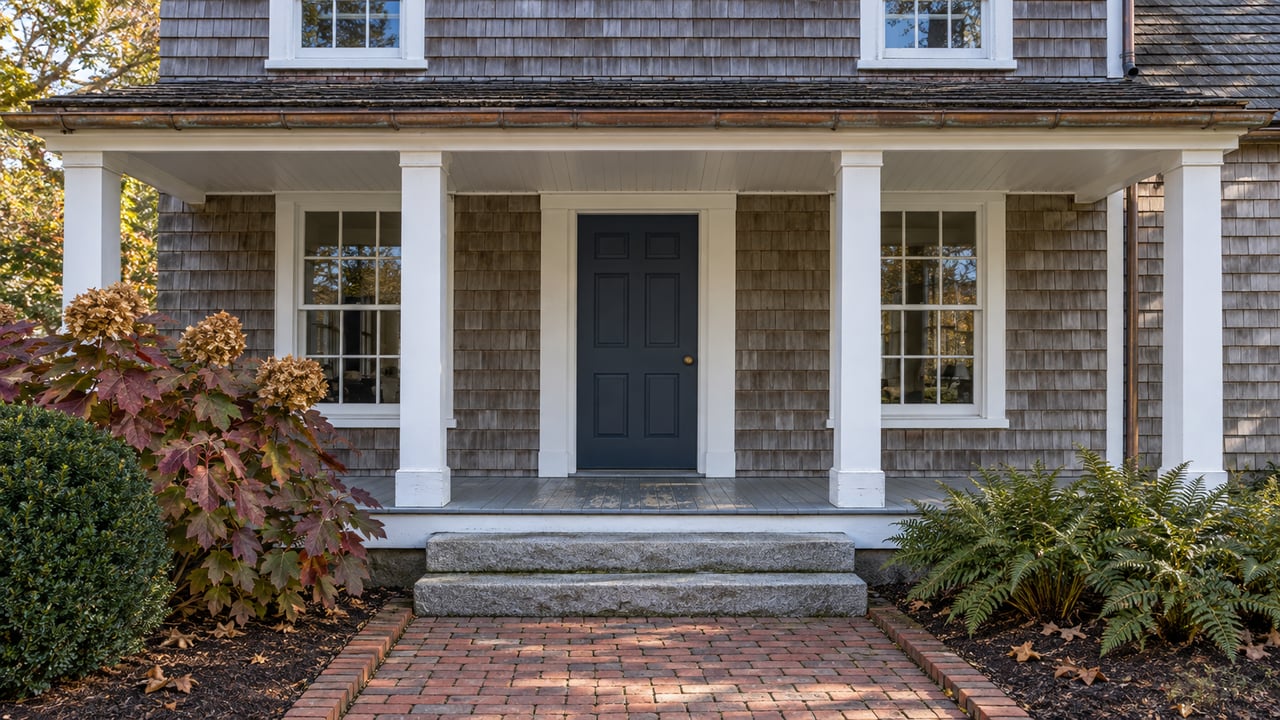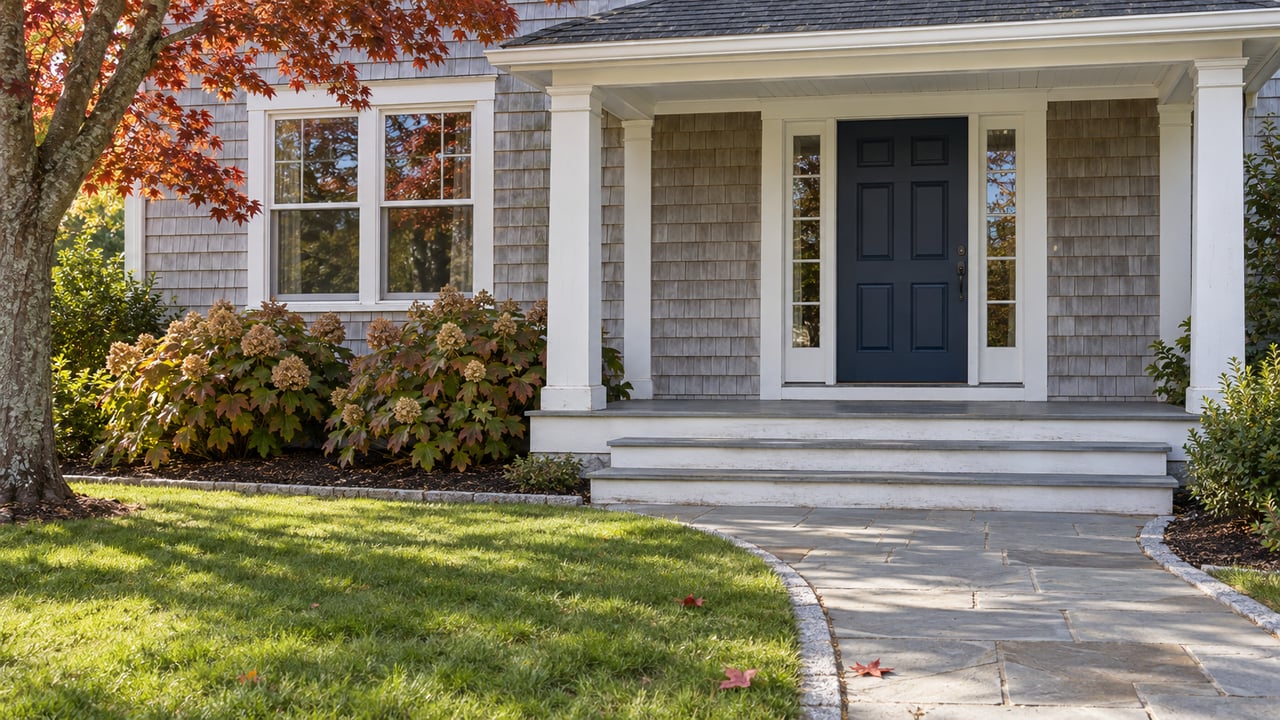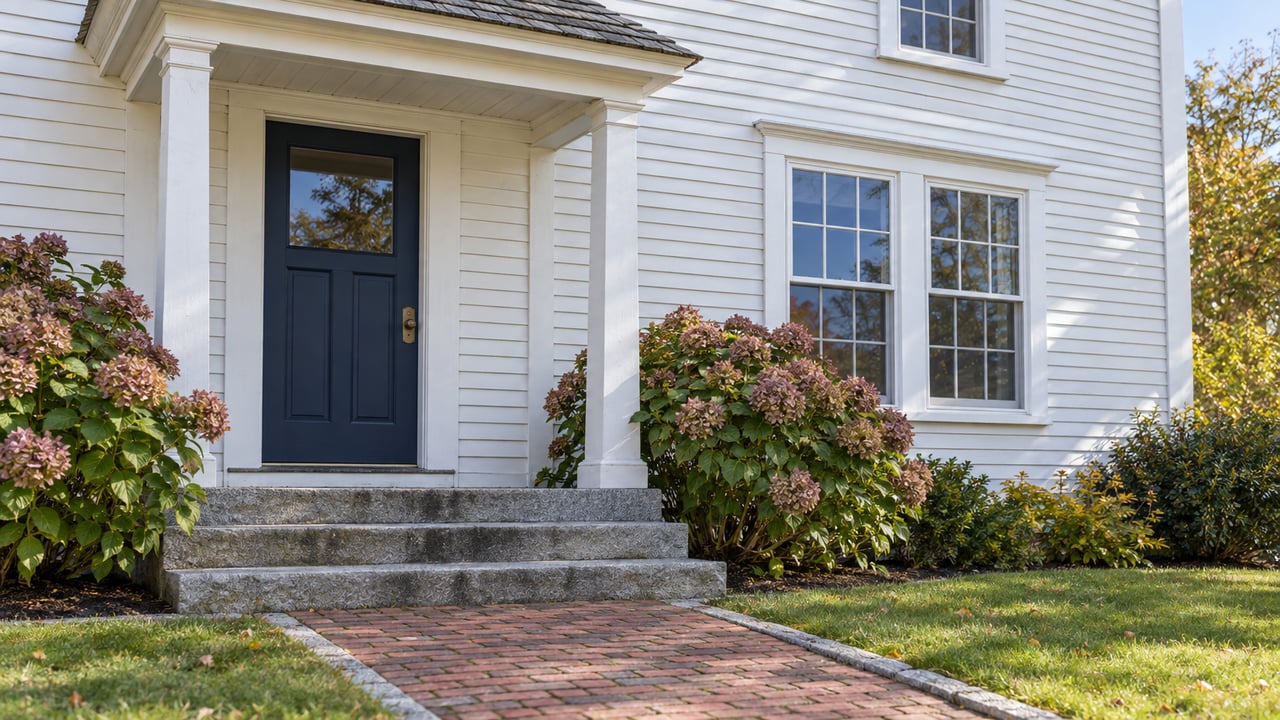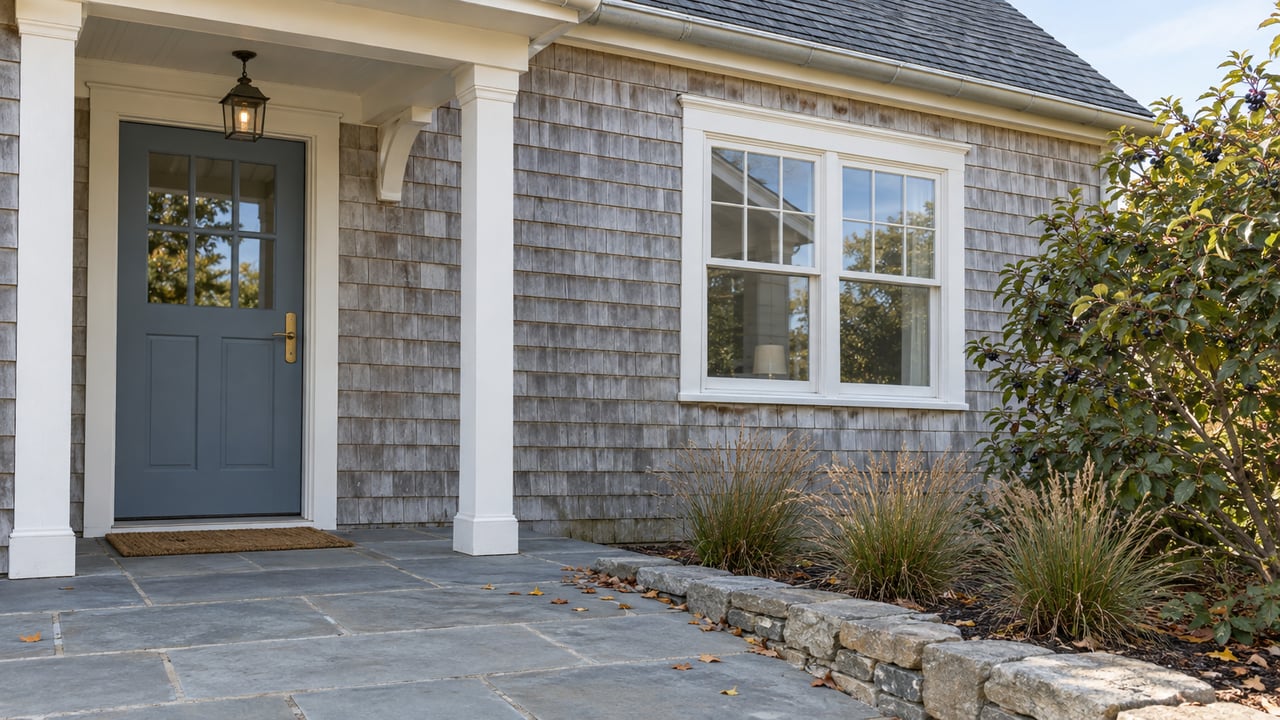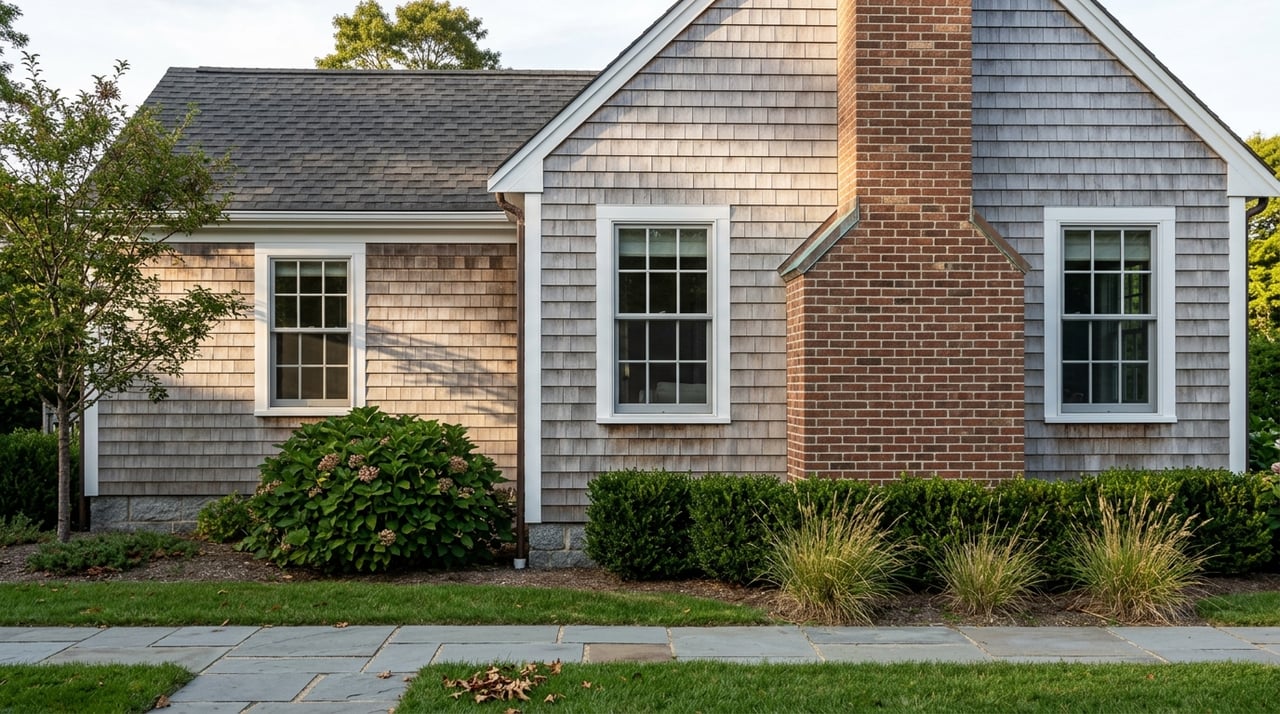
Dreaming about a home where colonial history, scenic marsh views, and bay access all shape daily life? In Sandwich, that mix is real, but it also comes with details you need to understand before you buy or sell. If you are exploring this part of Cape Cod, it helps to know how historic homes, harbor access, and local regulations all connect. Let’s dive in.
Why Sandwich Stands Out
Sandwich is known as the oldest town on Cape Cod, with municipal roots dating to 1639, and that history still shows up in the layout of the town today. According to the town’s Historic Preservation Plan, the historic core grew from Shawme into what is now Sandwich Village.
That means you are not just looking at a few isolated landmarks. In many parts of town, historic character is part of the street pattern, the architecture, and the way natural features like marshes and bay edges meet residential areas.
The setting matters just as much as the buildings. The town’s Open Space and Recreation Plan highlights Sandwich’s bay frontage, marshes, and the Route 6A corridor, where historic architecture and natural scenery are closely tied together.
Historic Homes You May Find
If you are searching for a historic home in Sandwich, you may see a much wider range of property types than you expect. The town includes buildings and districts with significance stretching from the 1600s through the mid-20th century.
Colonial-era homes
Some of Sandwich’s oldest surviving structures date to the 17th and 18th centuries. The town notes landmarks like the Hoxie House and Dexter Grist Mill museums, and its preservation materials reference colonial-period homes and one-story center-chimney houses in the village center.
For buyers, that can mean antique homes with deep character, early construction methods, and a setting that feels unusually connected to Cape Cod’s earliest history. It can also mean older systems, more maintenance, and less predictable renovation paths.
Greek Revival and Victorian homes
After the Cape Cod Branch Railroad reached the village center in 1848, Sandwich saw major growth. The town’s preservation plan says that by 1855, Greek Revival architecture had influenced much of the new building activity.
You may also come across late-Victorian homes in the town center, along with areas connected to Sandwich’s glass industry history. Jarvesville, for example, is identified in town materials as an area of worker housing tied to that period of growth.
Cottages, revivals, and later homes
Not every older home in Sandwich is colonial. The preservation plan also points to Cape Cod and Colonial Revival homes, post-World War II subdivisions up to 1960, and 20th-century beach houses and cottage colonies.
In some cases, former seasonal cottages near beach roads were later converted into year-round residences. That creates a very different kind of housing inventory, where charm and location may be strong, but layout, insulation, septic capacity, or expansion potential may need a closer look.
Neighborhood Areas to Watch
Sandwich is best understood as a collection of overlapping housing stories rather than one uniform market. The town’s historic survey identifies areas such as Sandwich Center Village, Sandwich Center-East, Jarvesville, Shawme Road, and Old County Road.
Each area offers a different feel and housing mix. Some are centered on early village development, some reflect industrial history, and others show summer colony or beach-house patterns that still influence what buyers find today.
Sandwich Village and Route 6A
For many buyers, Sandwich Village and the Route 6A corridor are the starting point. These areas stand out for historic homes, established streetscapes, and the visual connection between architecture and surrounding natural scenery noted in the town’s planning materials.
If you are drawn to classic Cape Cod character, this is often where that appeal is strongest. It is also where historic district rules may become especially important in your search.
Town Neck and harbor-side living
If your focus is more coastal, Town Neck offers a different lens on Sandwich. Here, access to the boardwalk, beach, harbor, marsh views, and canal-area recreation all help shape the lifestyle.
The result is a search area that can attract second-home buyers, waterfront-minded buyers, and anyone who wants easier access to Cape Cod Bay. Homes in these settings may also bring more flood, wetlands, and maintenance considerations.
Harbors and Waterfront Lifestyle
One of Sandwich’s biggest strengths is that it offers more than one kind of coastal experience. It is not just a village town, and it is not just a beach town.
The Sandwich Boardwalk crosses Mill Creek and Town Neck Marsh to Old Sandwich Harbor and Cape Cod Bay, with a walk of about 1.5 miles including Town Neck Beach. For many buyers, that blend of harbor, marsh, and beach access is a major part of the appeal.
Boating also plays a clear role in town life. The town’s marina, located at the east end of the Cape Cod Canal and Cape Cod Bay, offers a public launch ramp, fuel, recreational and commercial slip leases, and transient slips.
Sandwich also manages a broad range of beaches and pond amenities, including First Beach, Town Neck Beach, Mill Creek Beach, East Sandwich II, Wakeby Pond, Snake Pond, and Peter’s Pond. That variety gives you several ways to enjoy the water, whether you prefer bay beaches, boating, ponds, or shellfishing in approved open areas.
What Buyers Should Consider
A historic or coastal home in Sandwich can be rewarding, but it usually requires a more careful review than a conventional inland property. Buyers should expect local rules and property condition to be central parts of the decision.
Historic district review
Exterior work in certain areas may require approval. The town’s Historic District Committee states that exterior alterations are reviewed for congruity, compatibility, and appropriateness, and even a visible change to a window, door, or paint color can trigger review.
For buyers, that means it is smart to ask early about past approvals, future renovation plans, and whether a property falls within a district boundary. A home’s curb appeal may be a major asset, but preserving it can come with process and timing requirements.
Flood and coastal exposure
Homes near the bay, marshes, creeks, and low-lying coastal areas may need extra due diligence. Sandwich’s Floodplain Division notes that the town is a Class 7 NFIP community, which provides residents with a 15 percent flood insurance discount, and the town can assist with flood map and construction requirement questions.
That said, flood zones still matter. If a home is in a special flood hazard area or coastal high hazard area, insurance, renovation plans, and rebuilding standards may all be part of the financial picture.
Septic and wastewater review
In Sandwich, septic is not a side issue. The town’s wastewater regulations overview makes clear that on-site sewage disposal systems, Title 5 requirements, and nitrogen-sensitive areas are key parts of local property planning.
If you are thinking about adding bedrooms, expanding the footprint, or changing how a home is used, septic capacity becomes especially important. Massachusetts also treats Title 5 inspection as a sale-time issue, so it is wise to confirm timing and status early in the transaction.
Wetlands and site work
Properties near marshes, ponds, creeks, or shoreline resource areas may involve more permitting than inland homes. The town’s Conservation Commission administers the Massachusetts Wetlands Protection Act and local wetlands bylaw.
That can affect plans for additions, grading, decks, driveways, and other exterior improvements. If a home’s location is one of its biggest selling points, that same location may also shape what can be changed over time.
What Sellers Should Highlight
If you are selling a home in Sandwich, context matters. Buyers are often not just comparing square footage. They are comparing village setting, water access, historic appeal, renovation potential, and long-term carrying costs.
For historic homes, clear information about upkeep, system updates, approvals, and period details can help buyers see value more quickly. For harbor-side or beach-area homes, it helps to present the lifestyle clearly while also being ready with practical details about flood insurance, septic, and any conservation-related limits.
This is where local guidance becomes especially valuable. In a town like Sandwich, the strongest marketing usually balances story and substance.
Why Local Guidance Matters
Sandwich offers a rare combination of preserved village homes, coastal access, and neighborhood variety. It also asks buyers and sellers to think carefully about condition, regulations, and how location affects value.
That is why hyperlocal guidance matters here. If you are considering a purchase, sale, or long-term move in Sandwich, working with a team that understands Cape Cod’s historic and waterfront nuances can help you move forward with more clarity and fewer surprises. If you are ready to talk through your options, connect with Colleen Riley.
FAQs
What kinds of historic homes can you find in Sandwich, MA?
- You may find colonial-era homes, Greek Revival properties, late-Victorian houses, Cape Cod and Colonial Revival homes, beach cottages, and post-World War II housing depending on the area.
Does buying a historic home in Sandwich require extra approval for renovations?
- Yes, in some areas exterior changes visible from a public way may require review by the Historic District Committee, including certain window, door, and color changes.
What makes the harbor and waterfront lifestyle in Sandwich unique?
- Sandwich combines village charm with access to Old Sandwich Harbor, the boardwalk, Town Neck Beach, the marina, Cape Cod Bay, pond beaches, and canal-area recreation.
Are flood zones important when buying near the water in Sandwich?
- Yes, homes near the bay, marshes, and low-lying coastal areas may involve flood insurance, flood zone review, and construction standards that affect cost and future plans.
What should buyers know about septic systems in Sandwich, MA?
- Many homes rely on on-site sewage disposal systems, so Title 5 inspections, septic capacity, and any plans to expand or change use should be reviewed early in the process.
Do wetlands rules affect homes near marshes or ponds in Sandwich?
- Yes, homes near protected resource areas may need additional review and permitting for additions, grading, or other exterior site work.